

indibet no deposit bonus code is a promotional code that players sometimes look for when they want to test a platform without making an initial deposit. At indibet2027.com you can review how such codes are typically presented, but any offer depends on the operator's current published terms. Treat every code as conditional until you have confirmed its status directly with the operator.
Contents
Understanding indibet no deposit bonus code
A no deposit bonus code is a short string of characters that a promotional system accepts in place of a payment when you register or claim an offer. In practice, the code tells the platform which campaign you are joining, so the reward type, eligibility rules, and expiry are attached to that campaign rather than to you personally.
The label "no deposit" describes the funding method, not a guarantee that the reward is free of conditions. Always separate the marketing phrase from the actual mechanics described in the operator's documentation.
The code itself is rarely the whole offer. Operators usually pair it with account requirements such as completing registration, verifying your identity, or opting in before a deadline. The reward might be credited as bonus credit, free spins, or another benefit, and each form carries its own restrictions.
Because campaign structures change, do not assume that a code you saw described elsewhere still maps to the same benefit today. Check the current campaign description before you enter anything, and note the date you checked it.
One common misunderstanding is that a valid code automatically means an approved claim. A code can be accepted by the system while your account still fails a separate eligibility check, such as age confirmation, country restrictions, or the absence of a prior account.
Redemption is therefore a two-step idea: the code must be live, and your account must qualify. If either condition fails, the reward will not appear even though the characters were typed correctly. Read the eligibility section first, then worry about the code.
You should also think about what the bonus is worth to you in practical terms. A no deposit reward often comes with conditions on how it can be used, how long it stays available, and what must happen before any resulting balance can be withdrawn.
These conditions are not obstacles invented to frustrate you; they define the offer. Understanding them before you claim helps you decide whether the promotion suits your plans. If the terms are unclear, treat the offer as unavailable until you have a written answer from support.
Finally, keep your expectations calibrated. A no deposit promotion is a limited introduction, not a permanent feature of an account, and campaigns are frequently replaced or withdrawn. Nothing about a code entitles you to a future offer or to the same terms later.
Your job as a reader is to confirm what exists now, record what you were told, and avoid acting on assumptions carried over from older promotions. That habit protects you from disappointment and from making decisions based on outdated information.
Read the Indibet No Deposit Bonus Code Terms
Start with the section that describes the campaign itself, usually titled something like offer details or promotion rules. Look for the reward description, the claim window, and any statement about who may participate. These three items tell you whether the code is relevant to you at all.

If the page does not state a claim window or an eligibility rule, that absence is itself important information: you cannot verify the offer, so you should pause and ask before proceeding. Reading in this order prevents you from entering a code that was never meant for your situation.
Next, examine the conditions attached to the reward after it is credited. Terms commonly address how the bonus can be used, what happens if you try to withdraw, and whether the reward expires after a set period.
You do not need to memorise every clause, but you should be able to answer one question: what would I need to do before any winnings from this bonus become withdrawable? If you cannot answer that from the published text, the terms are incomplete for your purposes. Ask support to point you to the exact clause rather than relying on a summary.
Pay attention to the language about verification and account status. Many promotions require identity checks before a reward is released, and some require that your account remains in good standing throughout the campaign.
The terms should say whether verification is a precondition or a later step, and what happens if verification is delayed. Note also any statement about duplicate accounts, shared devices, or payment methods, because those rules often determine whether a claim is accepted. These are eligibility conditions, not fine print to skip.
Watch for the rules on code use itself. A well-written term sheet states whether the code is single-use, whether it can be combined with other promotions, and what happens if you enter it after the campaign closes. It may also describe how errors are handled, such as whether an invalid entry can be corrected.
If the terms are silent on combination with other offers, do not assume combination is allowed. Silence is not permission. Where the operator features or eligibility rules matter to your decision, refer to the current terms on the operator's site before you act.
Record what you read. Save or screenshot the terms as they appeared on the date you checked, note the campaign name, and write down any question you had to ask support along with the answer you received.
This record is useful if a dispute arises later and it helps you compare a future promotion against the one you actually read. Terms change without notice, so your saved copy documents your understanding at a specific moment. Keep it somewhere you can find it again, and revisit it before making any claim based on the same code.
Find and Verify an Official Code
Begin by treating any code you encounter as unverified until you can trace it back to a source the operator actually controls. Codes circulate freely through forum posts, video descriptions, and messaging groups, and many of them were never issued by anyone with authority to do so.

Before you type anything into a bonus field, ask yourself where the code originated and whether that channel has any formal relationship with the operator. If the answer is unclear, set the code aside and look for a confirmation path you can check independently.
The most dependable confirmation comes from the operator's own published channels: the official website, authenticated social accounts, and messages sent through verified support contact points. When a promotion genuinely includes an indibet no deposit bonus code, the accompanying announcement should describe the offer, the audience it applies to, and the conditions attached to it.
A code mentioned without that surrounding context is a weak signal, no matter how many people repeat it. Cross-check the same promotion across more than one official channel before relying on it.
Be cautious with codes that arrive unsolicited through direct messages, comments, or third-party aggregator pages. These often pair a code with urgency, asking you to act before you can verify anything, which is a common pattern around misleading promotions.
Legitimate promotions generally tolerate a few minutes of checking. If a source refuses to explain who issued the code or where the terms live, treat that refusal as informative. You are not obliged to redeem anything simply because it was presented to you confidently.
Verification also means confirming that the promotion fits your situation. A code may be genuine yet intended only for new registrants, specific regions, or accounts that have never claimed a similar offer.
Read the eligibility language before assuming it applies to you, and confirm details such as account status requirements with the operator's current terms. Where the announcement and the terms disagree, the terms usually govern. If you cannot reconcile the two, ask support to clarify in writing before you attempt redemption.
Finally, keep a simple record of where and when you found the code and what the source claimed about it. This takes a moment and gives you something concrete to reference if a redemption later fails or if support asks how you obtained the code.
A code you cannot source is difficult to defend and easy to mistake for a typo or fabrication. Sourcing is not bureaucracy; it is the difference between a deliberate claim and a hopeful guess, and it protects you when questions arise later.
Check the Code Entry and Redemption Record
Before submitting a code, look carefully at the entry field itself. Confirm you are typing into the correct box for a bonus or promotional code rather than a referral, affiliate, or payment reference field, since these are easy to confuse and a misplaced entry may simply be ignored.
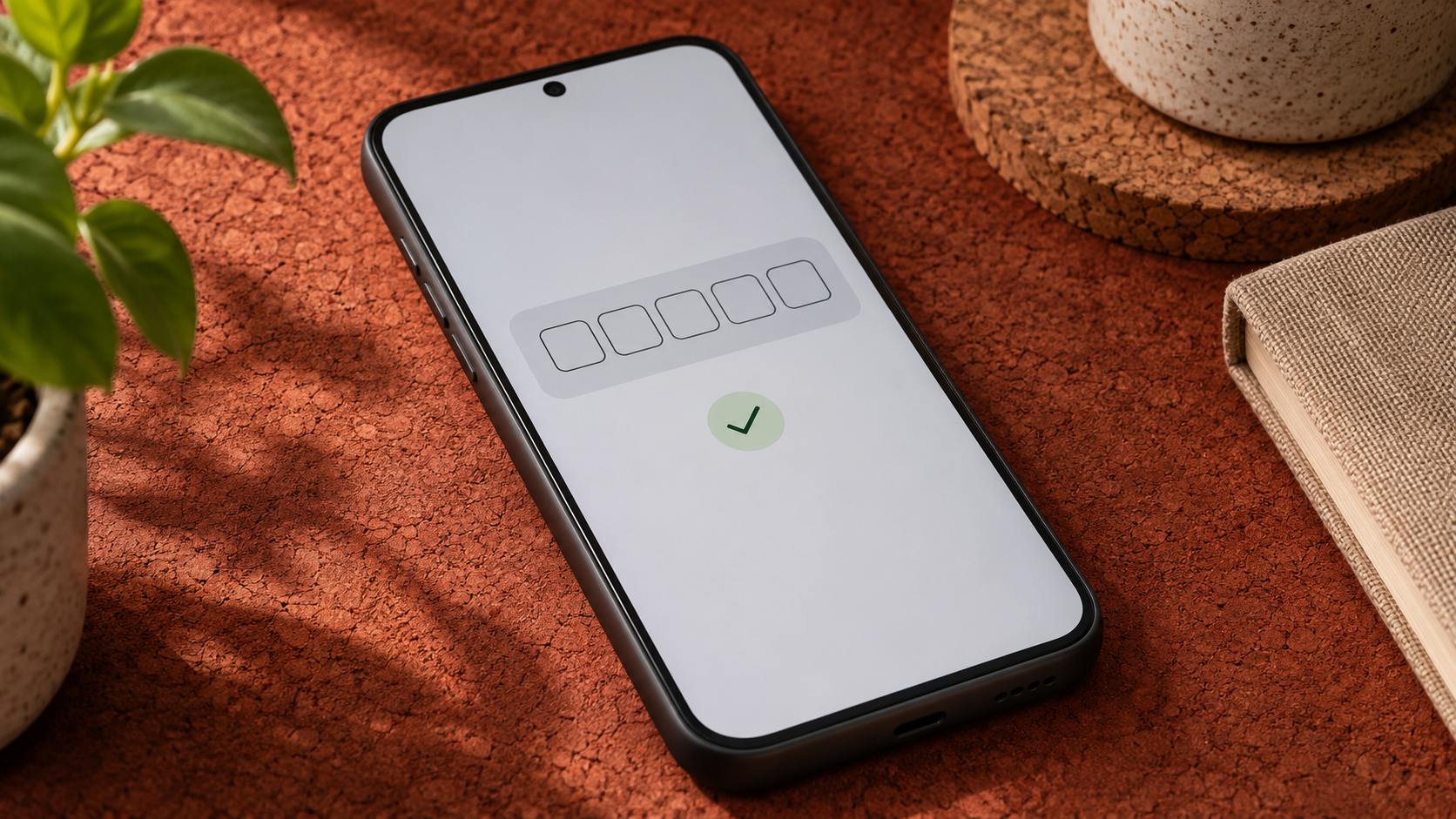
Check for stray spaces, mixed capitalization, and characters that look alike, such as the digit one and the letter l. Many invalid-code errors are ordinary typing mistakes rather than problems with the promotion itself.
Once you submit, note what the interface tells you and when it tells you. A confirmation screen, a pending status, or an error message each means something different, and the wording matters more than the color of the banner. Capture the exact message rather than paraphrasing it from memory.
If the system credits a bonus, record the date, the promotion name, and any stated expiry. If nothing appears to happen, do not resubmit repeatedly; repeated attempts can look like abuse and may complicate later support conversations.
Keep your own redemption log alongside whatever the operator displays in your account history. Note the code as entered, the time, the device or browser you used, and the outcome. Account histories are useful but can lag, omit failed attempts, or show only successful credits, so your own notes fill the gaps.
If you are asked to prove you attempted a redemption, a dated note describing the error you saw is far more helpful than a vague recollection weeks afterward. Consistency between your record and the operator's is exactly what support needs to investigate.
Review the record against the promotion's stated conditions rather than against your expectations. A code can be accepted yet produce no visible credit because a qualifying action, such as completing registration or confirming contact details, has not yet occurred.
Check whether the bonus is described as pending, conditional, or subject to later review. Where the terms describe timing or sequencing, follow them precisely. If the record shows acceptance but no credit, that discrepancy is worth reporting with your notes attached rather than assuming the offer failed silently.
Finally, revisit the record before contacting support and again after any response. Confirm that what you reported still matches what your account shows, and update your log with any new status, message, or instruction you receive.
Clear, dated records turn a frustrating dispute into a straightforward question, and they help you notice patterns, such as a code that consistently fails on one device but works elsewhere. Treat the record as a living document you maintain, not a one-time screenshot you take and forget.
Diagnose Invalid or Expired Codes
When a code is rejected, start by distinguishing between an input mistake and a genuine expiry. Re-type the code manually rather than pasting it, because copied text can carry hidden spaces or formatting that the entry field does not accept. Check capitalisation and any punctuation exactly as shown in the source you used.
Then confirm where you entered it: some promotions require the code at registration, others in a dedicated bonus field, and a code entered in the wrong place will often fail without explanation. Compare what you typed against the original character by character before assuming the code itself is at fault.
Next, examine the timing. A code can be valid but unusable because the promotional window closed, your account was created before the offer began, or you have already claimed that particular bonus. Read the validity dates and eligibility conditions again, since many codes are limited to new customers or to one claim per person, household, or payment method.
If you meet every stated condition and the code still fails, capture the exact error message shown on screen. That wording usually tells support whether the system treated the code as unknown, expired, or already redeemed.
If the code appears correct and current but is still refused, test whether the problem is the code or your account. Try entering it again after a fresh login, and check that your profile details are complete and consistent with the promotion's requirements.
A mismatch between the information you registered with and the offer's conditions can block redemption even when the code is genuine. Avoid creating duplicate accounts to retry, as that typically breaches the operator's terms and can complicate any later support request. Instead, note the time of each attempt and what happened.
Finally, treat repeated failure as information rather than a reason to keep guessing. Codes circulated on unofficial sites are often outdated, altered, or invented, so a persistent rejection may simply mean the source was unreliable. Do not keep submitting the same code in quick succession, and do not enter codes you cannot trace to an official channel.
If you believe the code should work, pause and prepare a clear summary of your attempts for support, including the code as written, the error text, and the date and time you tried it. That record makes diagnosis faster and gives you something concrete to refer back to.
Keep the Details Support Needs
Good support conversations begin with a complete record of what you did and what you saw. Keep the exact code as you received it, including capitalisation and punctuation, alongside a note of where you found it and when. Record the date and time of each entry attempt and the precise error message or screen response.
If the promotion page listed conditions, save a copy or note the key points while they are still visible. These details let support reproduce your situation instead of asking you to recall it from memory, which is where most misunderstandings creep in.
Keep your account information accurate and consistent, because support will often check whether your profile matches the promotion's eligibility rules. Note the email address and other contact details registered to your account so you can confirm ownership if asked.
If you contacted support before, keep the reference number or ticket identifier and a short summary of the reply. Avoid sending the same request through several channels at once, as duplicate tickets can slow handling. A single, well-organised message with the facts in order is usually more effective than a series of fragmented follow-ups.
Be careful about what you share. Support may reasonably ask for your account identifier or the code details, but you should not send passwords, full payment credentials, or one-time security codes. Keep screenshots limited to what is relevant, and check they do not expose information you would rather not share.
If a representative asks for something that seems unusual, verify the request through the operator's official contact route before responding. Store any correspondence in one place so you can compare what was promised with what appears in the promotion's current terms, which you should re-read whenever eligibility or features need verification.
Review your record before each new contact and update it with anything that changed, such as a code that later worked or an offer that was withdrawn. Keep the notes factual and brief, distinguishing between what you observed and what you assumed.
If a resolution is offered, confirm the details in writing and check them against the published terms rather than relying on a verbal summary. Finally, keep these notices in view: Gambling is for adults aged 18+ only. A random number generator (RNG) determines outcomes in RNG-based casino games. Wins are not guaranteed.
Independent support: Gambling Therapy.